 Mobile app development in Lausanne
Mobile app development agency in Lausanne
We develop iOS and Android applications around your users and business workflows, connected to your tools and data. Our Lausanne team works with you through scoping, testing, publication and product evolution.
40+ projects delivered · Health, research, media, startups · Senior team in Lausanne

Delivered products
 View the case study
Appik Studio product
Bonani
Free · offline · no ads or account
 View the case study
French-speaking Swiss media
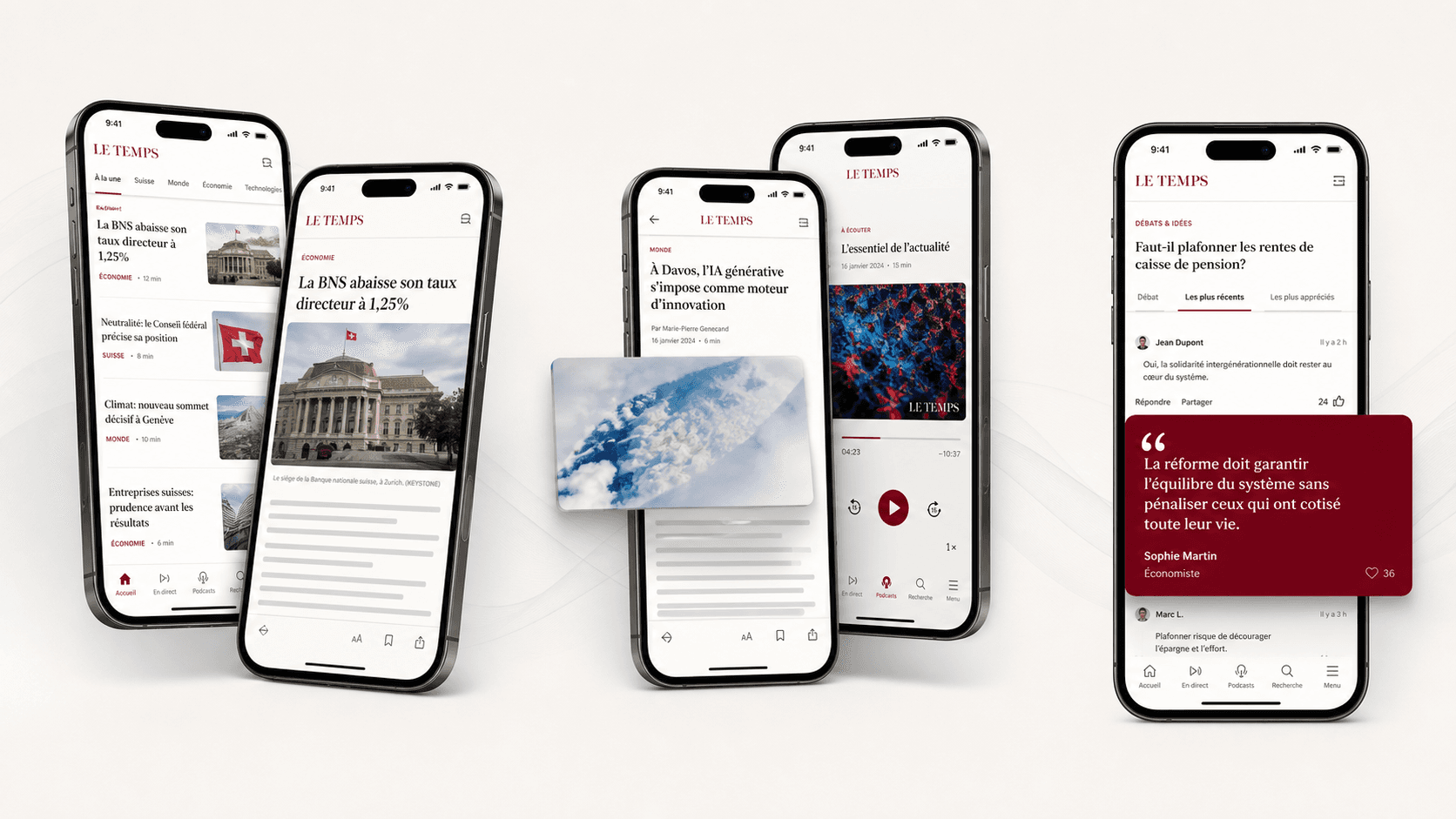
Le Temps
Live iOS + Android app · co-development with the internal team · complete technical onboarding
 View the case study
Onescope, HUG, EPFL
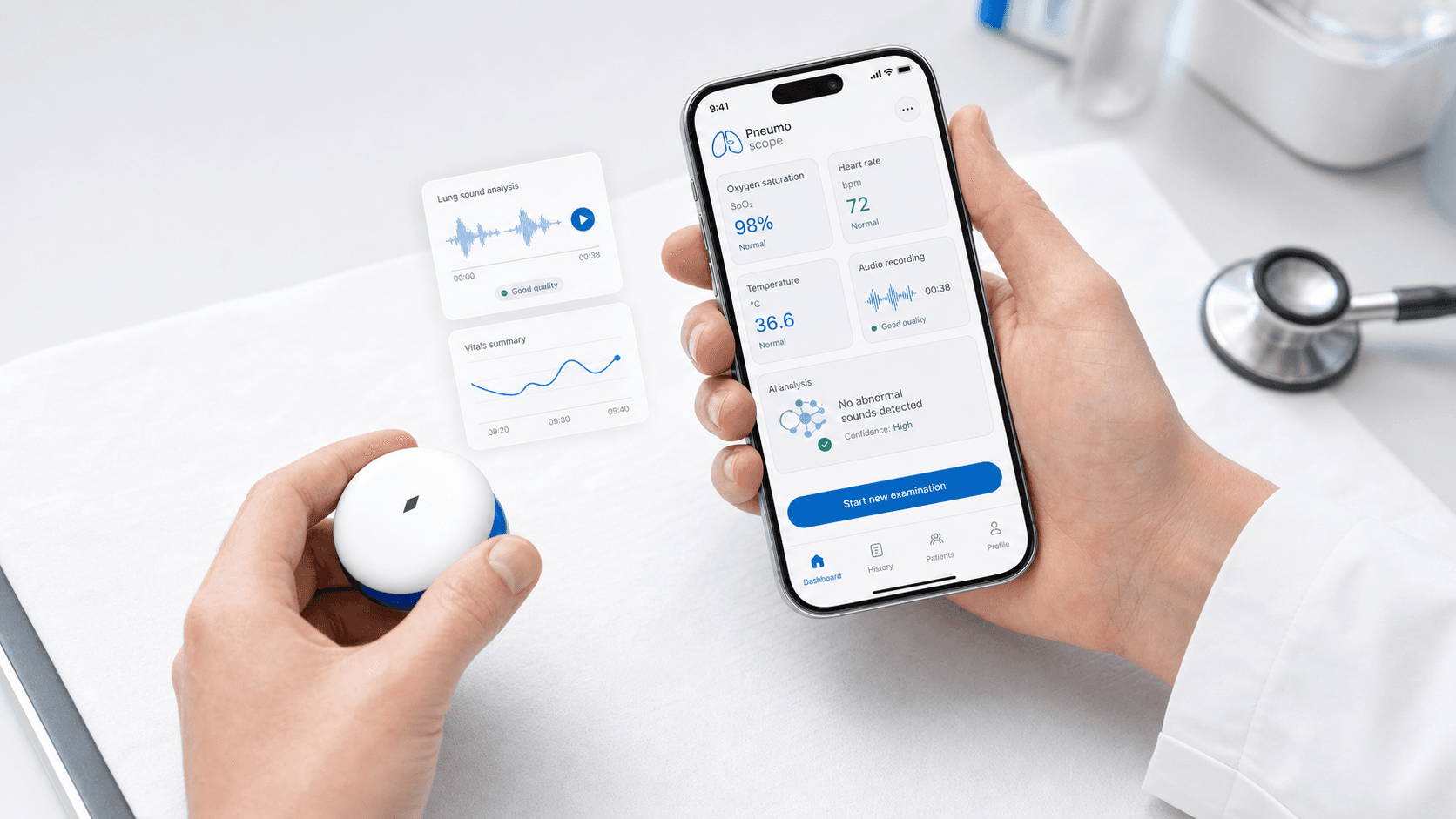
Pneumoscope
HUG clinical pilots · edge-AI analysis · Bluetooth integration with a medical device
 View the case study
Atreon
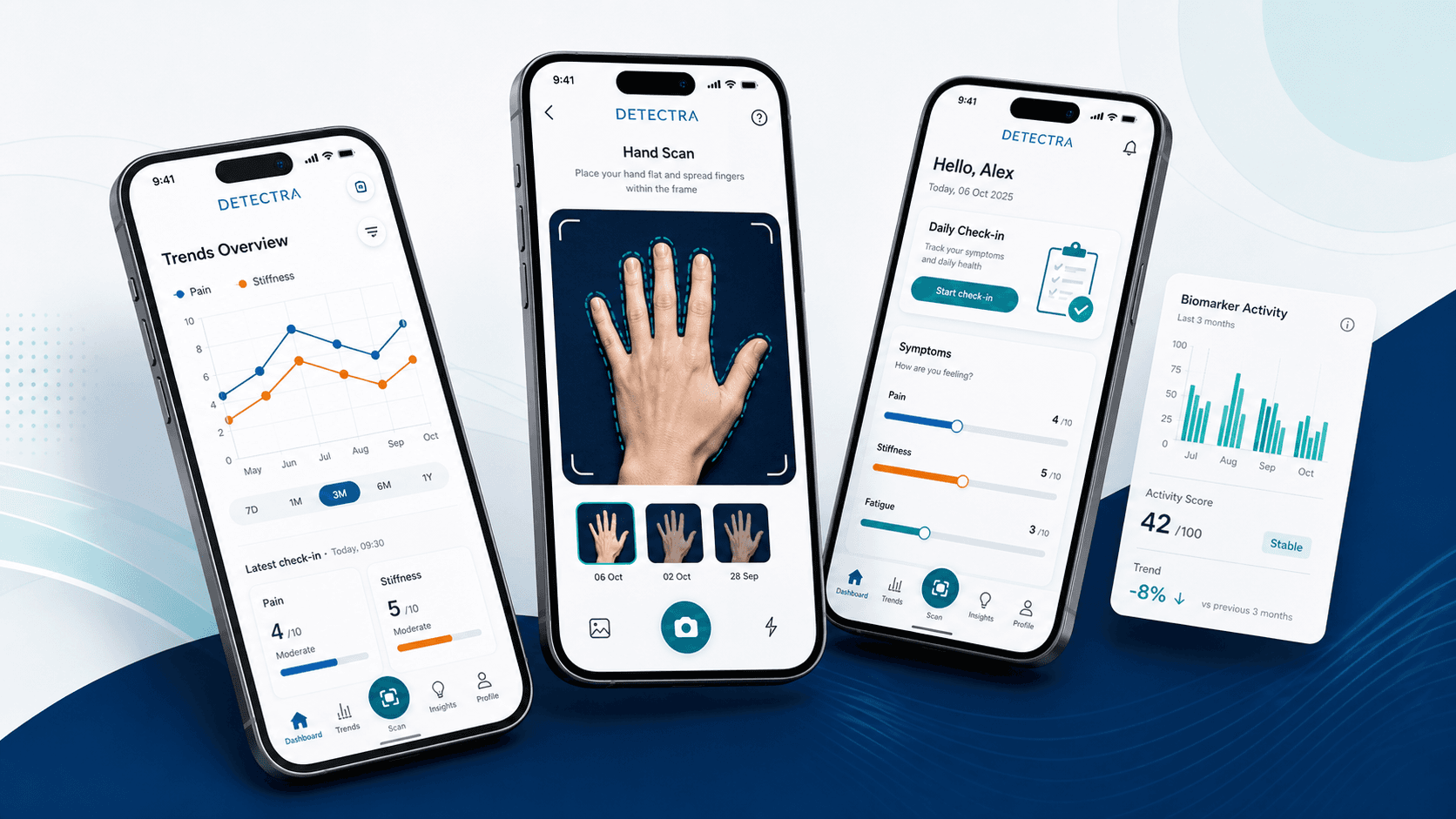
Detectra
Initial engagement: 5 months · React Native · AI · HL7 FHIR
 View the case study
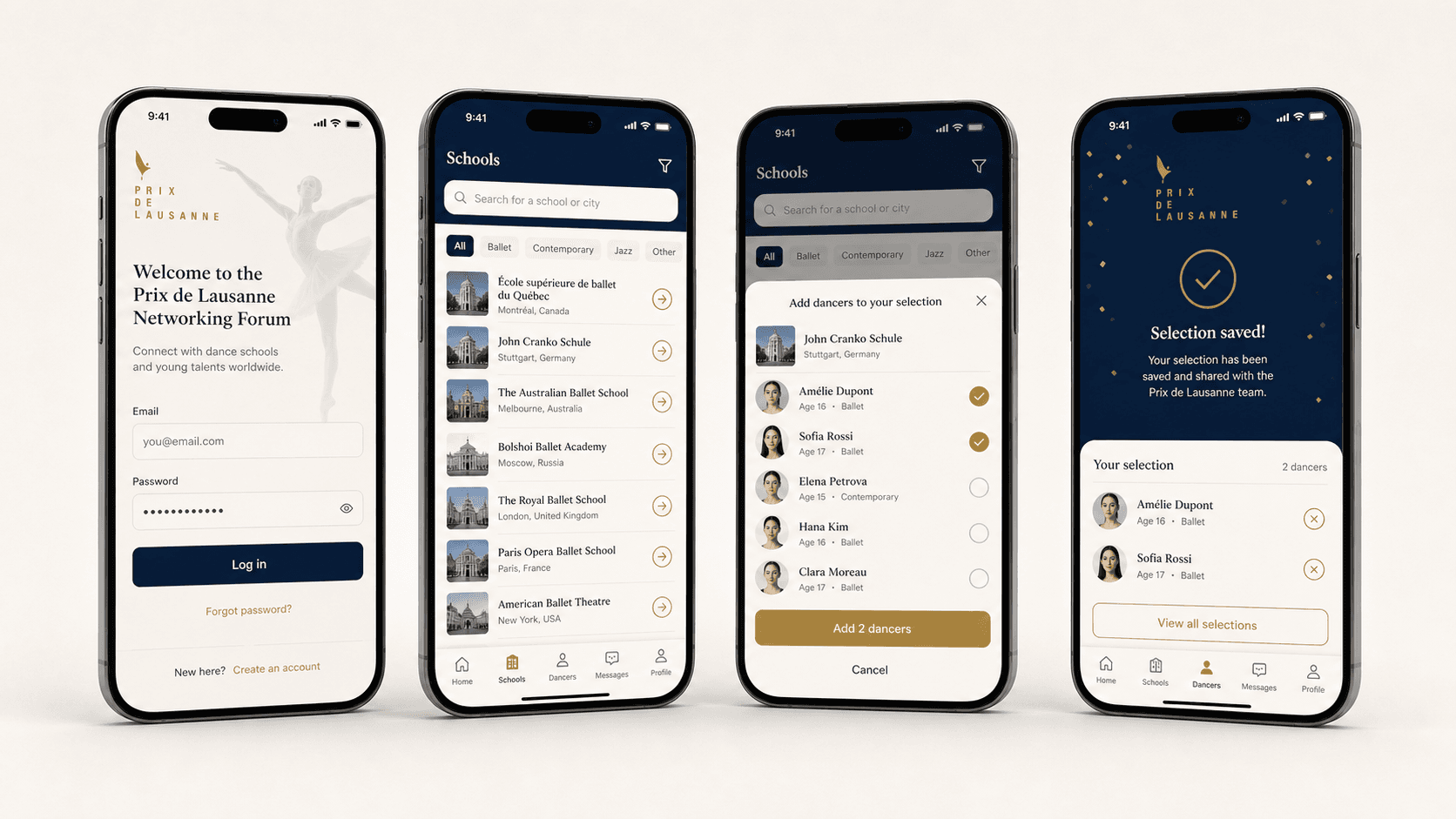
Prix de Lausanne
Prix de Lausanne
Mobile app + admin backend · event matchmaking · international competition based in Lausanne
 View the case study
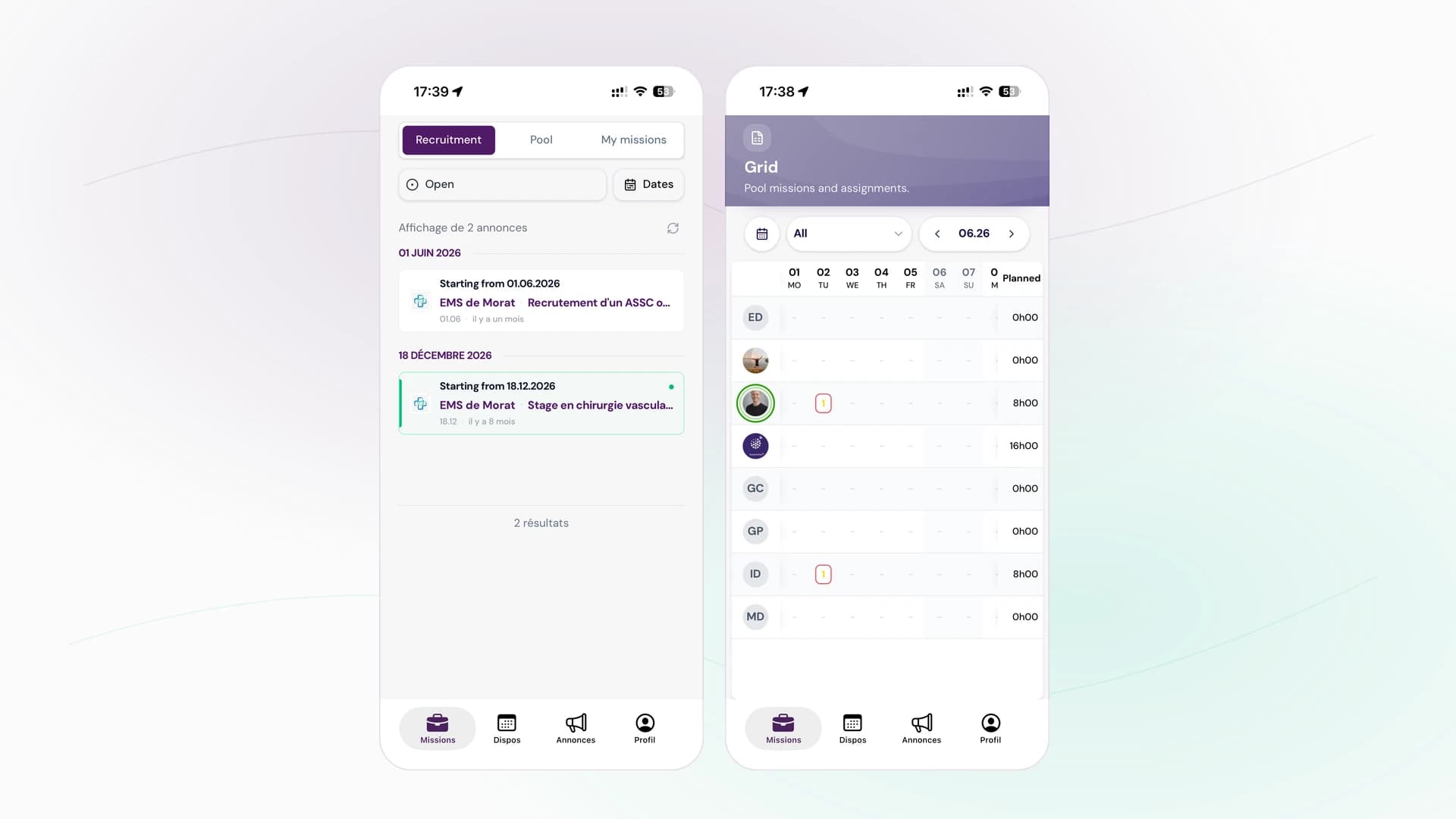
Le Pool
Le Pool
100% Swiss product · web app and PWA · distributed through mobile app stores
 View the case study
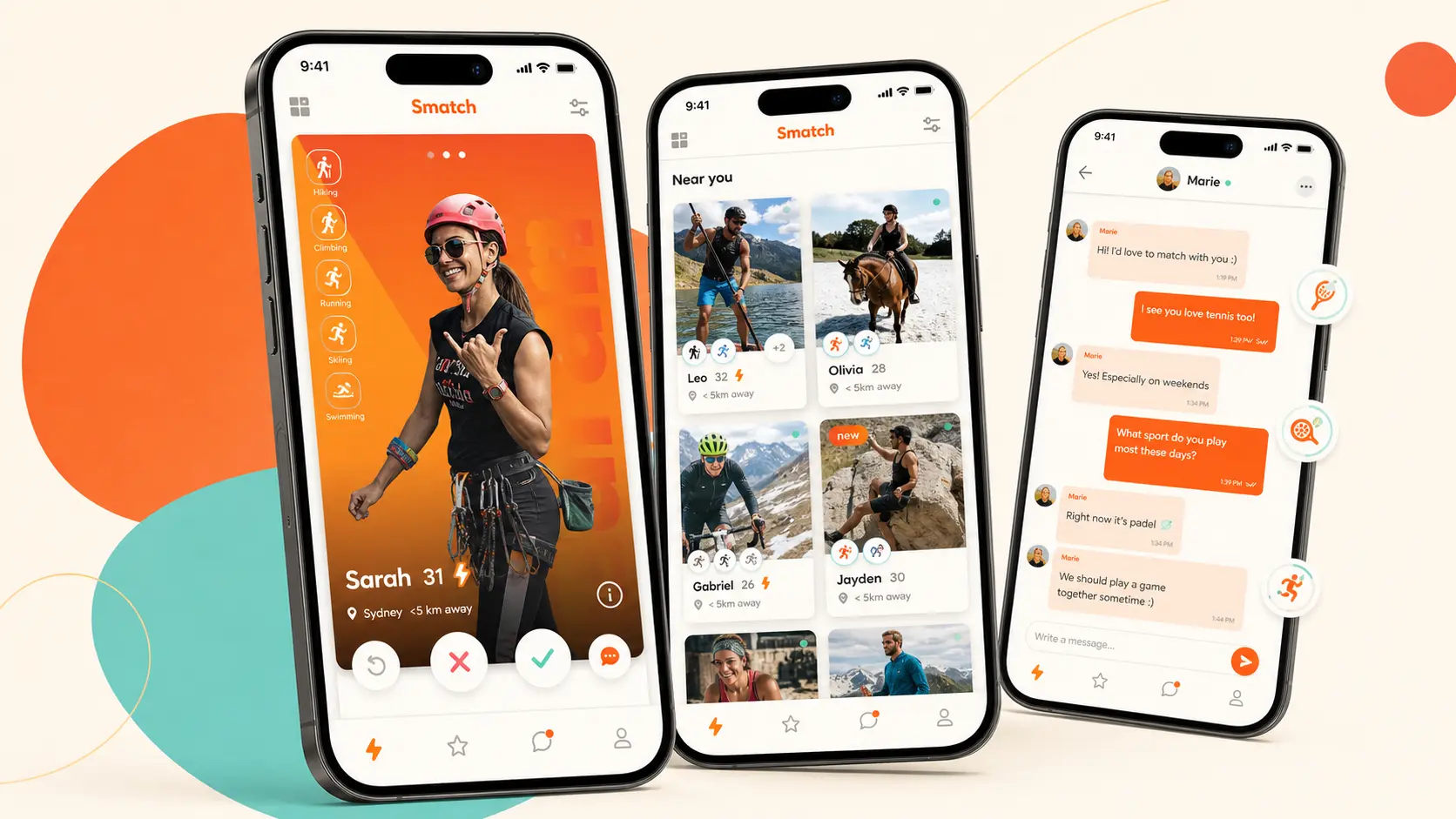
Smatch
Smatch
50k+ users · Lausanne–Geneva community · integrated matching and chat
Mobile app development in Lausanne
Appik Studio designs, develops and takes over custom mobile applications for Swiss startups, SMEs, federations, media, hospitals and research labs. We start with users' work and your existing systems to define the product, its integrations and its distribution on iOS and Android.
A field application may need to work offline, use the camera or connect to a Bluetooth device. A consumer product also needs to account for notifications, sign-in journeys and store rules. These constraints guide our technical choices.
React Native and Expo are central to our mobile expertise, which dates back to the first versions of React Native. We choose a PWA, a native application or shared code according to the product's needs. An artificial intelligence capability can support a journey when the use case warrants it. UX/UI design makes critical journeys testable before development.
Creating an application in Switzerland: where to start
Describe your users, the problem to solve and the essential journey for the first release. Identify target devices, the data involved and the systems to connect. This scoping work helps define the product before estimating development costs.
- iOS, Android or both? Our mobile platform decision guide helps prepare this choice.
- What budget should you plan? The guide to mobile app costs in Switzerland covers development expenses and recurring costs.
- Which team should you choose? Read our comparison of application development agencies in Lausanne to compare working relationships and references.
If your product will mainly run in a browser, explore our web application development service. A web interface and a mobile app can also share a backend.
Why choose a mobile agency in Lausanne?
A successful mobile app depends as much on scoping as it does on code. Being based in Lausanne helps us work closely with Swiss organizations: EPFL startups, institutions, healthcare teams, sports federations and SMEs that need a reliable technical partner.
We build business apps, consumer apps, field tools and regulated mobile platforms. Every project starts by clarifying users, budget, technical risks, data constraints and measurable success criteria.
Budget and timeline in Switzerland
The budget depends on features, integrations, design and the validation required. Use the calculator at the top of this page for an initial complexity assessment. Leave your email for our team to review your answers and discuss scope and budget. We can define a focused first version and plan subsequent releases in stages.
Before development starts, we define the scope: priority features, architecture, timeline, budget, risks and launch strategy. You get a clear plan before committing to the build.
Our mobile expertise
Choosing platforms and shared code
We assess target devices, phone capabilities, distribution constraints and existing systems. React Native and Expo let us share some code between iOS and Android, with adaptations for each platform. Sharing with the web depends on the journeys involved. During scoping, we identify parts that need a native implementation.
Field use and integrations
We design connections to your APIs and camera, Bluetooth, location or notification features around the product. For offline use, we define which data stays on the device, how it synchronizes and how conflicts are handled. Platform permissions and limits are part of the work.
Performance on target devices
We test journeys, loading times and responsiveness on real iOS and Android devices, including less powerful models. Measurements guide fixes and any native adaptations.
Distribution and updates
We prepare store releases and their follow-up. Expo Updates can distribute some updates compatible with the installed version, subject to Apple and Google rules. Native changes require a new build and submission. Receiving an update also depends on connectivity and the application loading it.
Technologies we use
| Technology | Usage |
|---|---|
| Expo SDK | Cross-platform mobile development framework |
| React Native | Native rendering layer for iOS & Android |
| TypeScript | Static typing for robust code |
| Expo Router | Type-safe navigation, deep linking |
| Expo Updates (OTA) | Compatible updates, subject to store rules |
| EAS Build & Submit | Cloud builds and automated store submission |
| React Native Reanimated | Performant native animations |
| Firebase / Supabase | Backend-as-a-Service, auth, push notifications |
| Infomaniak Cloud | 100% Swiss hosting, data sovereignty |
Mobile Projects Delivered
Our mobile applications are deployed in Lausanne, French-speaking Switzerland and across Europe:
-
Le Temps — Development of the new mobile app for the leading daily newspaper in French-speaking Switzerland, based on their internal design. Full accompaniment: co-development with the internal team, knowledge transfer and onboarding to enable Le Temps developers to take over autonomously.
-
Pneumoscope — Connected stethoscope via mobile app, developed with HUG's spin-off Onescope. Bluetooth connection, AI algorithms executed directly on the smartphone for real-time analysis of respiratory pathologies.
-
Equipass — Mobile-first web application for digital equine passports, built for an international equestrian sports federation based in Lausanne. Identification data, health records, movement traceability — serving 137+ national federations.
-
Detectra — Mobile app and web dashboard for remote monitoring of inflammatory arthritis, in collaboration with UNIL-CHUV Rheumatology. Computer vision, digital biomarkers and patient-reported outcomes.
-
Time District — Mobile marketplace for watch collectors in Switzerland, UK, and Europe. Physical authentication, Blockchain certificates, verified ecosystem for secure transactions.
-
Smatch — Sports meetup app in Switzerland. Matching algorithm based on sports level, availability, geolocation. Integrated chat for organizing meetups.
-
ApiZoom — Parasite detection in beehives using Deep Learning. EPFL and Swiss company ApiZoom collaboration. Photo → AI analysis → instant diagnosis.
-
smartCervix — Cervical cancer detection aid. Collaboration with EPFL's LTS5 laboratory and Geneva University Hospitals (HUG). Secure data collection and risk factor classification.
-
ClearSky — Edge AI application for phone call analysis. Artificial intelligence executed entirely on the smartphone for maximum privacy.
Our mobile development process
1. Initial conversation and scoping
The first conversation is free. We discuss your users, existing product and main needs. If detailed scoping is needed, we separately agree its scope, deliverables and budget before starting it.
2. UX/UI design
Wireframes and Figma mockups make critical journeys testable before development, including offline situations and permissions.
3. Development or takeover
We develop the product or take over the existing codebase in stages. Regular demonstrations let us check integrations and adjust priorities.
4. Testing and quality
We verify critical journeys, data exchanges and behaviour on the target iOS and Android devices.
5. Deployment and store submission
We prepare builds, screenshots, descriptions and ASO keywords, then support submission. Apple and Google decide on approval.
6. Evolution and handover
We agree a maintenance and development roadmap for your organization. It can include error monitoring, security updates and iOS/Android compatibility. We document the product and organize knowledge transfer for your team.
Frequently asked questions
How much does mobile app development cost? The budget depends on features, integrations, design and the validation required. Use the calculator at the top of this page for an initial complexity assessment. Leave your email for our team to review your answers and discuss scope and budget. We can define a focused first version and plan subsequent releases in stages. Further reading: How much does a mobile app cost in Switzerland?.
How long does it take to develop an app? A focused MVP can be delivered in 2 to 3 months. A more complete product may need 4 to 6 months or longer, depending on integrations and validation. We establish the schedule after scoping, including testing and publication.
Will my app work as well on iOS as on Android? We adapt journeys and behaviour to each platform, then verify them on target devices. Hardware, permissions and available features may differ. We account for these differences in scope and testing.
Can I update my app without going through the stores? Some content or logic updates can use Expo Updates if they remain compatible with the installed version and comply with store rules. A native change needs a new submission. Distribution and device connectivity affect when updates are received.
Tell us about your mobile app
A free initial discussion to understand your workflows, integrations and constraints. We identify what needs clarification before any detailed scoping.

 Swiss Made Software
